





Leeks and lawns

Our vegetable nursery bed is needed for other things so we decided to transplant our Musselburgh leeks into their permanent home. With the help of a hand fork we eased them out of the soil and put them into a bucket of water while they awaited their turn to be individually planted in rows about 10 inches apart. Using a small length of dowling we dibbed 3 inch deep holes into the bed approximately 6 inches apart and where necessary the young plants had their roots pinched to enable them to be dropped into the holes.
When all five rows were completed we watered them in - the act of watering, filling the planting holes with a slurry of fine damp soil and giving excellent root contact with no hidden air pockets.
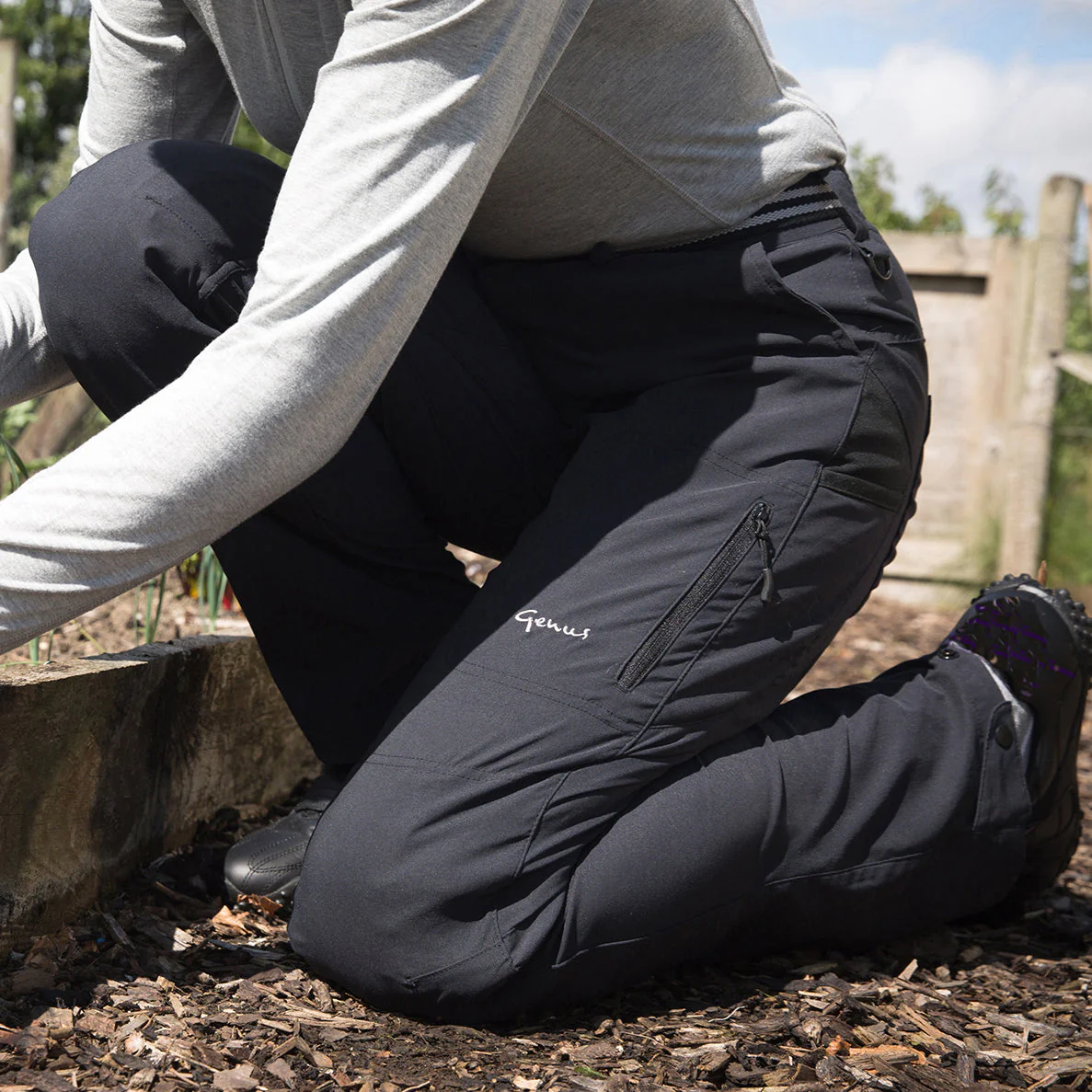
With that job finished it was back to the recurring problem of annual meadow grass in our flower garden lawn. At the end of May we wrote about this problem and our methods of dealing with it so back we went on our hands and knees slicing into the easily identifiable clumps with a carving knife. We followed this up with a spring-tined rake to lift the seed-heads enabling the mower to decapitate them and preventing any self seeding. It’s an ongoing job but one we hope we are slowly winning.


The monthly read for gardeners who want to go deeper.
Thirty-odd issues in, Potpourri Magazine is the gardening magazine people forward to their friends. Plant folklore, exceptional gardens, horticultural heroes, and the odd exclusive deal — once a month, free, straight to your inbox.
Free, monthly, unsubscribe any time. No spam, ever.
Something went wrong — please check your email address and try again.
Almost there — check your inbox.
We've sent you a confirmation email. Click the link in it to complete your subscription to Potpourri Magazine.


