





Keep on propagating - plants for free

I’ve been adding to our stock of plants over the last week not because of careful planning but due to an unfortunate incident. Several pots were blown over after a passing storm cut across the surrounding fields and headed straight for the garden. I could see it coming half an hour before it hit.
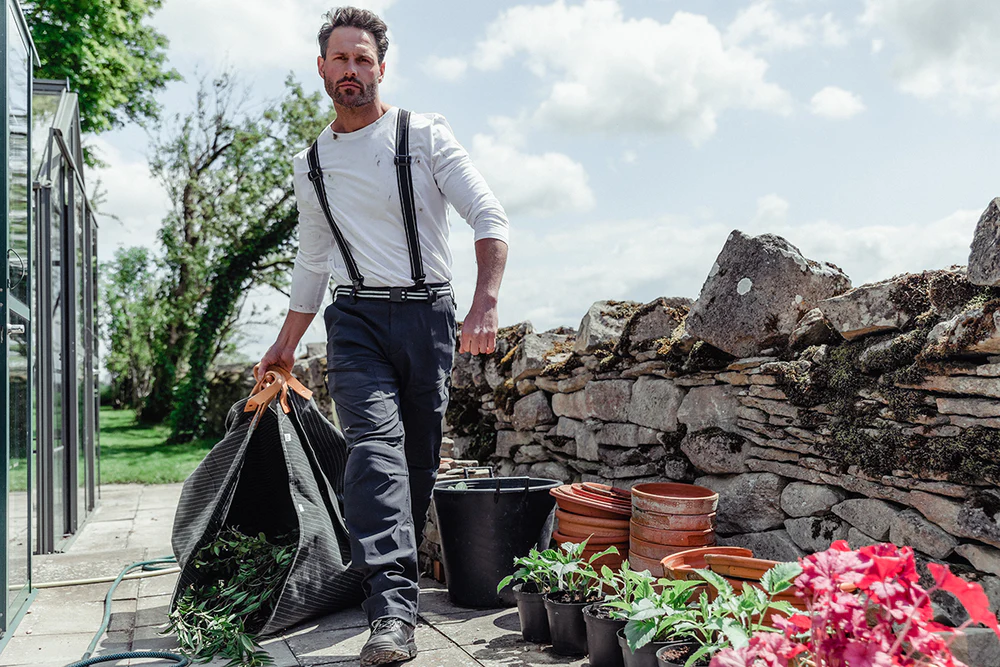
Located in a corner the pots were particularly susceptible to the whirlwind effect of the sudden gusts. Several aeoniums were damaged along with some new pelargoniums that had just been placed there the day before. Sticking to the motto that ‘every cloud has a silver lining’, I collected up the mess and set about the plants with secateurs, removing any damaged and broken stems. I ended up with half a dozen pelargonium cuttings and two aeonium stems (pictured). Potted up in a gritty mix of compost they’ll root fairly quickly but the aeoniums are going to be left unpotted for another week. I’ve found after recommendations from a friend, that leaving the cut ends to callous over leads to better rooting success.
While in the greenhouse I took cuttings from several other pelargoniums giving us the potential for 20 new plants. I took half a dozen cuttings from a favourite Salvia last week too and it’s already showing signs of rooting. It’s a great feeling producing new plants for nothing and we always find somewhere for them to go, whether in the borders, troughs, or pots.


Free monthly magazine
The monthly read for gardeners who want to go deeper.
Thirty-odd issues in, Potpourri Magazine is the gardening magazine people forward to their friends. Plant folklore, exceptional gardens, horticultural heroes, and the odd exclusive deal — once a month, free, straight to your inbox.
Free, monthly, unsubscribe any time. No spam, ever.
Something went wrong — please check your email address and try again.
Almost there — check your inbox.
We've sent you a confirmation email. Click the link in it to complete your subscription to Potpourri Magazine.


