





Petunias and pelargs - planning for next year

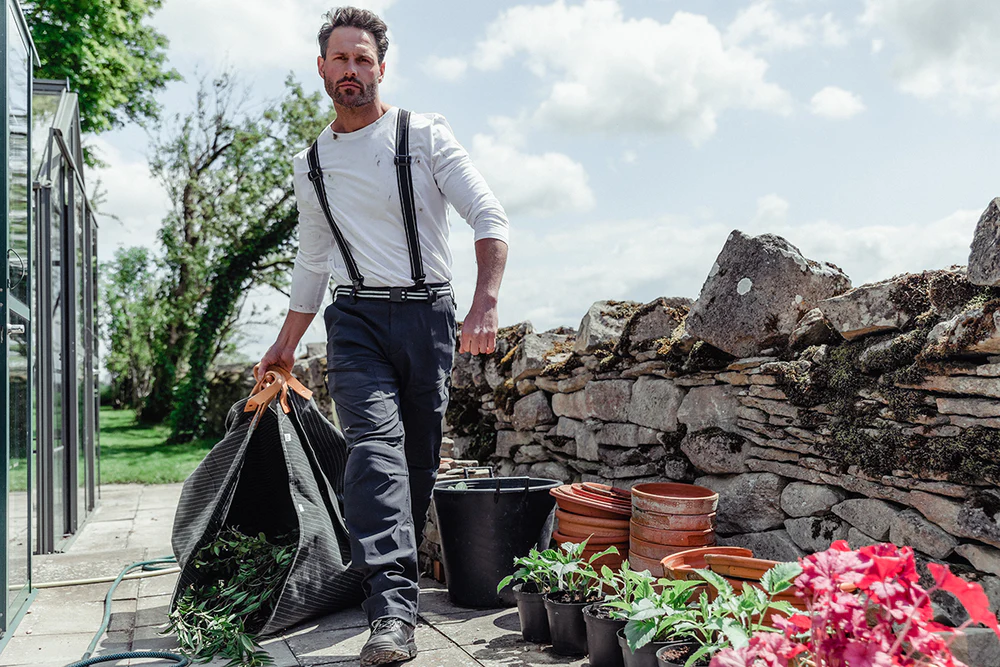
With summer planting in troughs and containers coming to an end I’m already looking forward to next year. This involves propagating plants that will be required in relatively large numbers to fill six troughs and several other pots. I usually like to have approximately 130 rooted plants ready for next summer. This includes Pelargoniums (pictured), and a particularly nice red Petunia that flowers on and on. In fact it’s still in flower now!
Cuttings are taken from the donor plants and struck into 2 litre pots containing a gritty compost. I’ll get eight or nine cuttings into a pot of this size. It’s then placed in a heated propagating unit where roots start to show after about a month. Once I’m happy that a decent root system has formed (they start appearing from the drainage holes in the bottom of the pot), they’re repotted individually into 9cm pots and taken off the heat but kept in a frost free greenhouse. If you haven’t got propagation or greenhouse facilities fear not.
My mother seems to manage quite well with an unheated bedroom and a windowsill. Petunias can do so well over winter that you can start to rake cuttings from your cuttings. It’s so nice having plenty of plants to choose from when late spring comes around and it’s time to start planting up the summer display.


The monthly read for gardeners who want to go deeper.
Thirty-odd issues in, Potpourri Magazine is the gardening magazine people forward to their friends. Plant folklore, exceptional gardens, horticultural heroes, and the odd exclusive deal — once a month, free, straight to your inbox.
Free, monthly, unsubscribe any time. No spam, ever.
Something went wrong — please check your email address and try again.
Almost there — check your inbox.
We've sent you a confirmation email. Click the link in it to complete your subscription to Potpourri Magazine.


