








Wildlife in the garden - bats
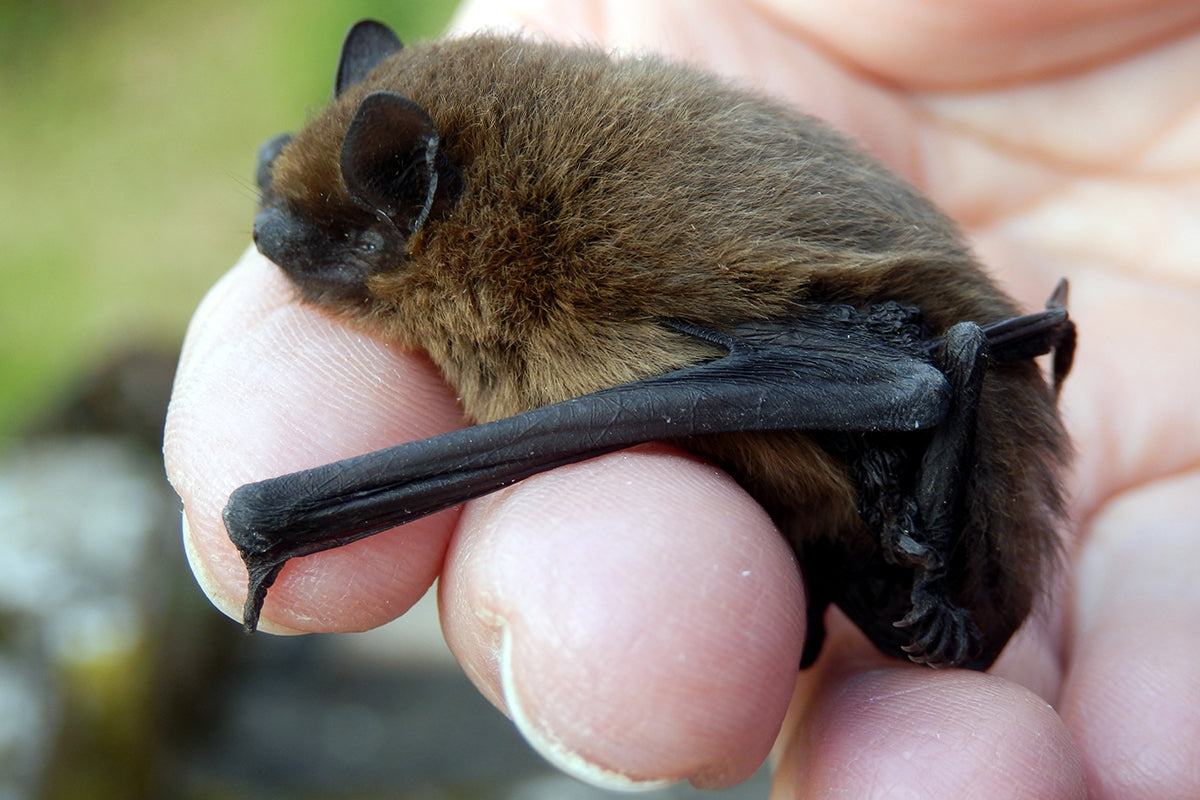
Have you got bats in your belfry, barn, or roof space? Commonly seen at dusk as they leave their roosts to hunt for insects, bats as a species are spread throughout the world. There are eighteen species of bat in the UK, seventeen of which breed here.
The common Pipistrelle is the species most likely to be encountered while you sip your evening gin and tonic and watch the sun go down.
In the UK a bats diet consists entirely of insects, flies, moths, and other night flying insects, but in other parts of the world fruit, blood, pollen, and even fish can be on the menu. Hunting in low light conditions and total darkness, bats rely on echolocation to navigate their environment. Sending out high pitched clicks or squeaks they rely on the sound of their food source bouncing off walls or trees.
With insect populations plummeting and their natural habitats fast disappearing, bats are struggling. Of the eleven species of British mammal on the ‘official red list’, four are bats: the greater mouse-eared bat, the grey long-eared bat, the Serotine and the Barbastelle.
Awareness of their plight has led to a number of simple measures that gardeners can take to help sustain their numbers. By increasing the diversity of plants in the garden, particularly those attractive to insects you’ll be providing a larder for local bat species. Garden lighting is not recommended and in some instances if located near a bat roost could actually constitute an offence.
Another option is to provide accommodation. Bat access tiles can be installed allowing bats to roost underneath roof tiles. The other option is to install dedicated bat boxes. With a slim opening and ridged internal walls for the bats to grip onto they can be located on the sides of buildings, on fences, or in trees.
The Bat Conservation Trust (WWW.BATS.ORG.UK) is a valuable source of information and local groups will often advertise night-time bat walks where, with the use of hand held detectors, bats can be tracked and identified.


