




Technology in the garden - cold frame know-how
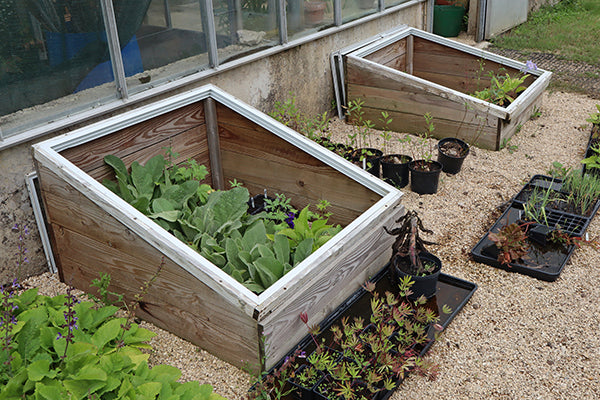
Coldframes are a useful bit of kit for extending your growing season. Basically, a box that lies flat on the ground with a transparent sloping roof, a cold frame allows maximum light whilst providing shelter and protection form the elements.
Although not warm like greenhouses, they do raise the temperature a few degrees, which is useful for sowing seeds such as broad beans, peas and lettuces a little earlier in the season. They can also be used to harden off young seedlings started indoors in spring or acclimatize plants like pansies until they’re ready to go out into the cold garden. Tomatoes, aubergines and peppers started indoors can also be moved into the cold frame before planting out in their final positions.
Insulation, by covering the cold frame with a blanket for example, is important during a cold snap. Likewise, lift the lid to ventilate on clear sunny days, while keeping the lid closed if you’re trying to germinate seeds early in the season. In the autumn and winter a cold frame will protect plants like succulents, herbs that like warmth and cuttings.
You can build one yourself from bricks and salvaged windows, or buy one. Aluminium frames are cheaper, lighter and lower maintenance than wooden frames, which have the edge aesthetically. Wooden frames are also warmer and sturdier, but more expensive. Wide, deep coldframes are great for larger gardens, but you can get more narrow upright shapes for smaller gardens. Glass is best for allowing maximum light in and retaining heat, while polycarbonate is a safer alternative.


