






Seasonal produce - what to do with plums
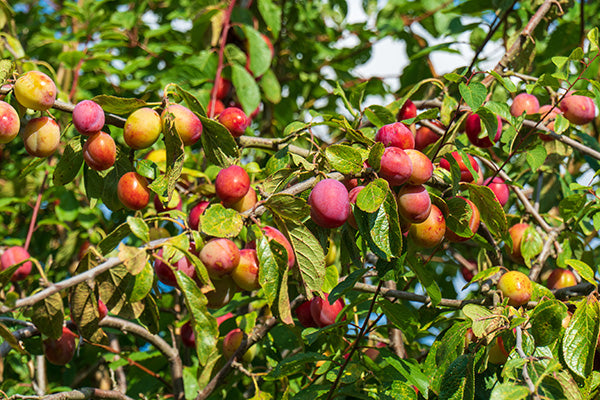
Plums are a delicious tangy fruit, great eaten raw but also great for stewing or making jams, crumbles and tarts. ‘Victoria’ is a well-known variety and ‘Blue Tit’ and ‘Opal’ are also excellent. As with gages and damsons, they thrive in warm sheltered environments. T hey can be heavy-cropping and may well need thinning or require their branches to be propped up.
Whether you’re lucky enough to have a glut of plums, or fancy making a plum dessert, this is a delicious recipe – almonds and plums are a match made in heaven.
Plum almond tart
For the pastry, rub together 350g flour and 200g unsalted butter until the mixture resembles breadcrumbs. Add a beaten egg and four to five tablespoons of cold water, bringing the ingredients together to form a dough, which should be wrapped in cling film and chilled in the fridge for 30 mins. For the frangipane filling, beat 200g unsalted butter and 200g caster sugar in a bowl until light and fluffy. Crack two eggs into the bowl, one at a time, and add the 200g of ground almonds, mixing well until combined.
Preheat the oven to 180C and roll the pastry out thinly and line one tart ring. Tip the frangipane into the tart case and cover evenly with six ripe plums, halved with their stones removed. Bake for 30-40 minutes. Dust with icing sugar and serve warm with whipped cream. Truly delicious!


