





Gardeners' notes - what to do in July
Clean greenhouse glass
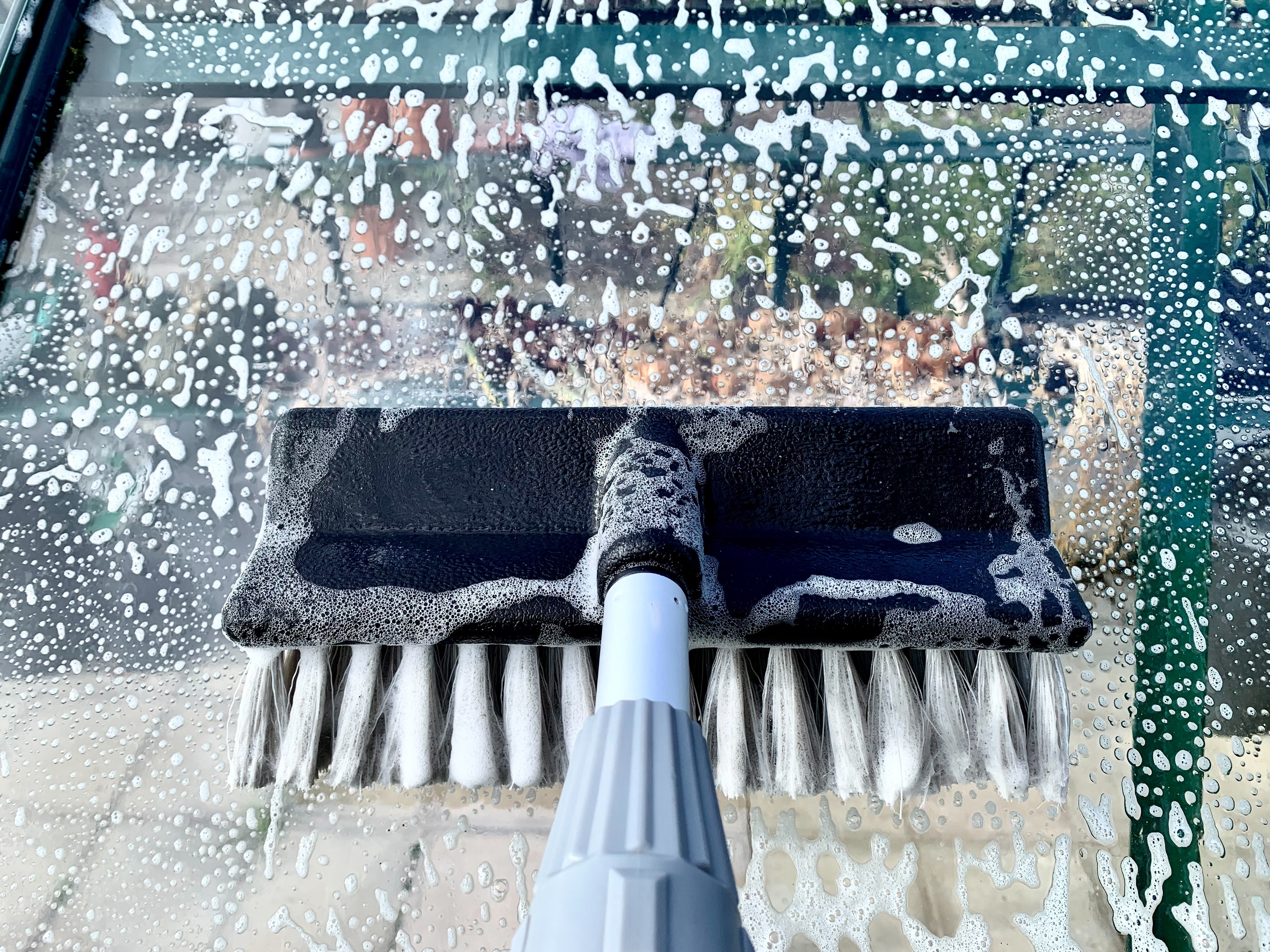
It’s a job often carried out over winter but greenhouses located around and near trees often become coated in a sticky sap excreted by aphids living on overhanging branches. This sap attracts sooty moulds which turn black causing discolouration of the glass leading to reduced light transmission. Though not such an issue under the bright summer sun, it is unsightly and removing it now will prevent it from being ‘baked on’ and make a winter clean-up so much easier. Spray the glass using a hand-held pressurised sprayer containing a weak mix of water and washing-up liquid. After leaving it for ten minutes or more scrub the glass with a telescopic handled brush and finish off with a wash down by hose.
Harvest garlic
Garlic should be ready to harvest this month. Simply loosen the bulb from the soil using a hand fork, shake off any excess and leave to dry off on the bed. After a few dry days collect them and store in a cool dry location.
Cut back perennials
Perennials such as delphiniums, lupins, nepeta, geraniums, and oriental poppies will have given their best by now. It can seem like a hard decision but now is a good time to cut the flowered stems and foliage right back to the ground. Apply a can of water and they’ll soon grow back with fresh foliage, often giving a second flush of flowers.
Take hydrangea cuttings
Now is a good time to multiply your stock of hydrangeas either for your own garden or to give away to gardening friends. Find a flower-free stem and cut it off just below a node - the point where two leaves meet. Remove the lower two leaves. Cut just above the next set of leaves and retain those. Prepare some compost with a handful of horticultural grit added. Put the compost in a 3-litre pot and place three or four cuttings around the edge plunging them up to their necks into the compost with just the leaves showing. Water well and cover with a plastic bag, cutting the corners off to allow some air circulation. In three to four weeks you should find that roots have started to form. After 10 to 12 weeks the individual plants can be removed and potted up in their own one litre pot. Keep them in a cold frame over winter and then plant out into the garden in the spring.


