







Body, soul and gardening - houseplants to the rescue
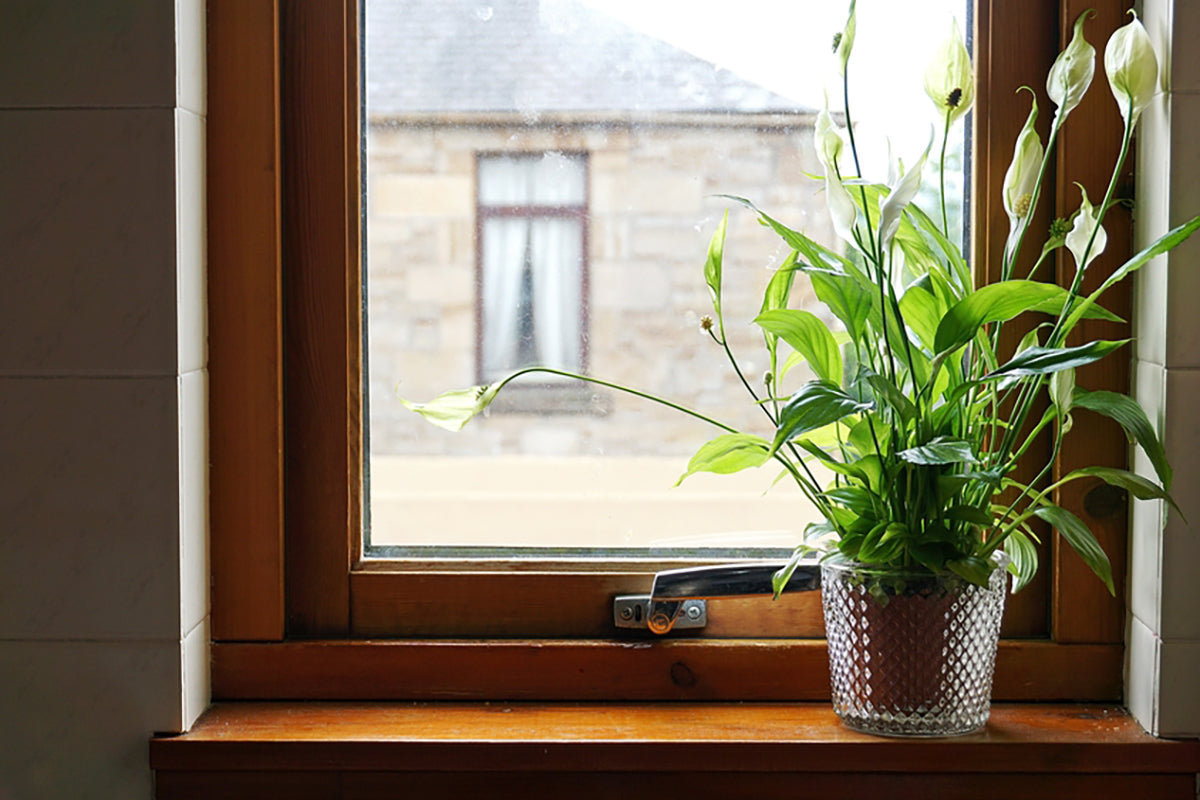
As well as greening up our homes, research shows houseplants can help reduce the risk of condensation, mould spores and mildew – a common problem, particularly in damper weather.
Mould in the home is caused by excess humidity with warm bathrooms and kitchens particularly at risk. House plants can be a natural and pretty way of bringing down moisture levels by absorbing moisture through the stoma in their leaves – which then moves down to their roots. As a rule, plants that thrive in moist soil and humid atmospheres such as large-leaved jungly plants are more likely to have evolved to this adaptation and be more efficient at reducing humidity – though how well they thrive depends on the levels of warmth and light they get and the growing medium used.
Useful houseplants for the job, that cope with low light levels include Devil’s Ivy (Epipremnum) found in tropical forests, and similar vine-like philodendron. They both enjoy a moist environment, but are forgiving if you forget to water them! Peace lilies with their beautiful white flowers thrive in high humidity, absorbing moisture through their leaves, so are a perfect choice for areas prone to mould. The Boston Fern also likes moist climates and is happy in shade but will need regular watering.
Palms are a great choice to help control humidity and keep mould at bay, absorbing moisture through their leaves. Varieties to look out for include elegant Areca palms which like medium to low light conditions. For a sunny spot, orchids not only have beautiful flowers but get their nutrient and moisture from the air around them so they’ll thrive and bloom in a warm humid bathroom. Another option for bright light and warm temperatures are snake plants, which also absorb humidity through their leaves but can cope with a bit of neglect too.
As well as watering and feeding your houseplants – particularly as we come into the growing season – remember to dust and wipe the leaves regularly to ensure they photosynthesise and transpire well.


